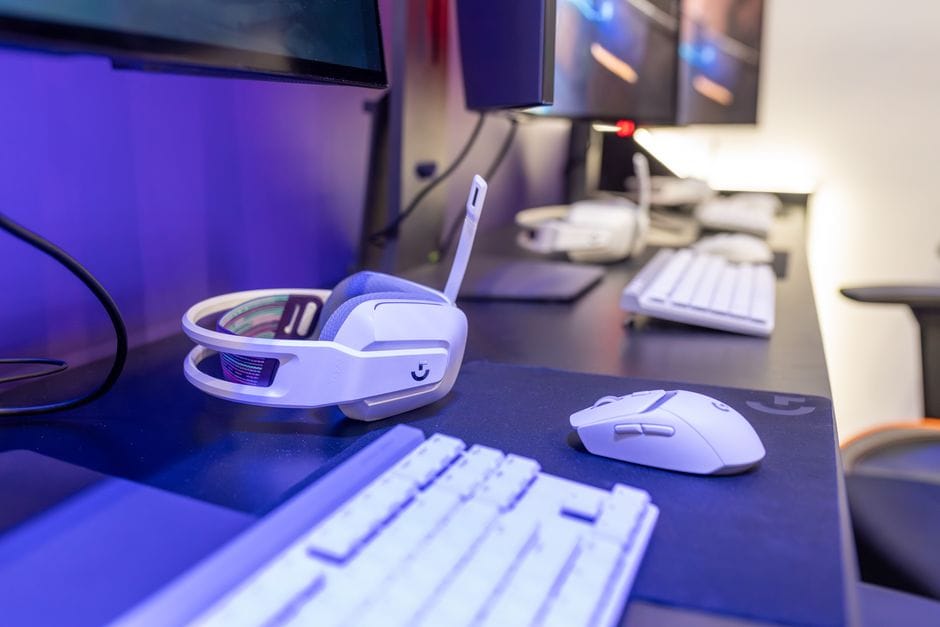
Shop for a gaming mouse and you'll see DPI numbers thrown around like bragging rights, sometimes in the tens of thousands. Marketing implies bigger is better, so a higher number must mean a superior mouse. The reality is that DPI is widely misunderstood, and chasing the biggest number is pointless.
What DPI actually measures
DPI stands for dots per inch, and it describes how far the cursor moves on screen when you move the mouse one inch on your desk. A high DPI means a tiny hand movement sends the cursor flying across the screen. A low DPI means you move the mouse more to cover the same distance. That's all it is, sensitivity.
Why higher isn't better
Here's the part the box won't tell you: most gamers, including the best in the world, play at surprisingly low DPI settings. Extremely high DPI makes the cursor so twitchy that precise aiming becomes nearly impossible. The giant numbers on the packaging are mostly marketing few people would ever actually use.
- Low to moderate DPI gives you finer control and steadier aim.
- Very high DPI makes the slightest twitch send the cursor across the screen.
- The "best" DPI is a personal preference, not a higher score.
What actually matters in a mouse
Instead of DPI, pay attention to how the mouse feels in your hand, its weight, the quality and responsiveness of its sensor, and whether the shape suits your grip. A comfortable, well-built mouse at a sensible DPI beats a twitchy one boasting a huge number.
Finding your setting
Start at a moderate DPI and adjust until a comfortable swipe across your mousepad turns the view the right amount. There's no universally correct figure, only what feels controllable to you.
The takeaway
DPI is just sensitivity, and more is not better. Ignore the headline number, pick a mouse that fits your hand, and dial in a setting that gives you steady, precise control.