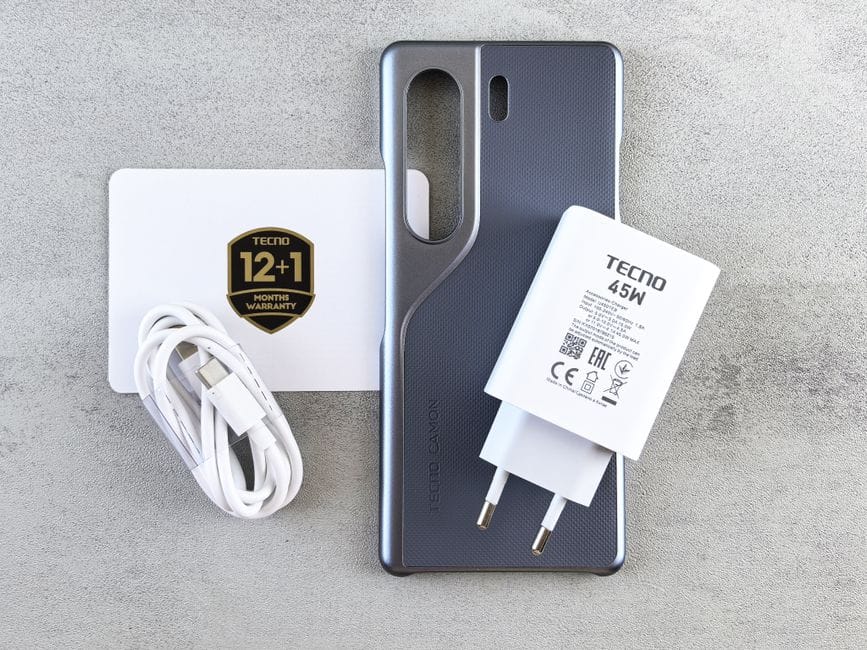
You plug your phone in, come back later, and it's barely gained any charge. The cable's fine, the outlet works, so what's wrong? Often the culprit is a mismatch between your phone and the charger, specifically its power output. Understanding how charging power works explains a lot of slow-charging mysteries.
Power is measured in watts
A charger's speed is described in watts, which is essentially how much power it can deliver. A low-wattage charger trickles power slowly; a higher-wattage one can fill your phone much faster, as long as the phone supports it. That old charger from a previous gadget might be a fraction of what your current phone can handle.
Both sides have to agree
Here's the key: fast charging only happens when the charger, the cable, and the phone all support it. The phone won't pull more power than the charger can give, and the charger won't push more than the phone accepts. The result is always limited by the weakest link in the chain.
- Weak charger: A low-wattage adapter charges any phone slowly.
- Wrong cable: A cable not rated for higher power throttles the speed.
- Phone's limit: Each phone has a maximum it will accept, no matter how powerful the charger.
Why using the wrong charger is so common
Many phones no longer include a charger in the box, so people reuse whatever old adapter they have lying around, often a slow one from years ago. It works, technically, but it can't deliver the fast charging the phone is capable of.
How to charge at full speed
Check what wattage your phone supports, then use a charger that meets or exceeds it, paired with a cable rated for that power. You don't need the absolute highest-wattage charger on the shelf, just one that matches your phone's capability. Match the two and slow charging usually disappears.
The takeaway
Slow charging is often a mismatch: an underpowered charger or cable holding back a capable phone. Find out your phone's supported wattage and use a charger and cable that meet it, and you'll get the fast charging you're entitled to.