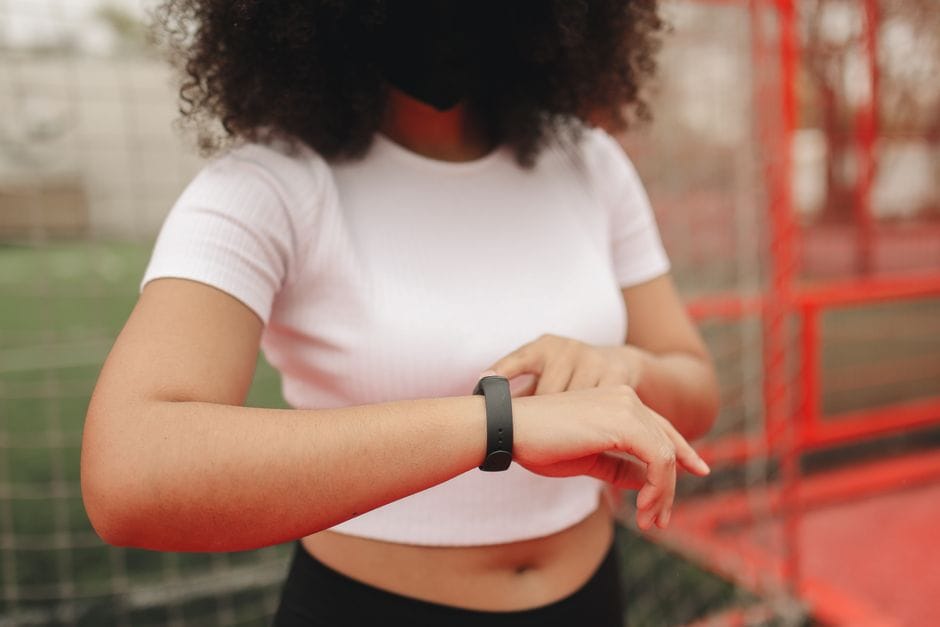
You want to keep an eye on your steps, sleep, and heart rate, and you're choosing between a full smartwatch and a slim fitness band. They overlap a lot, which makes the decision confusing. The clearest way to choose is to think about what you actually want the thing on your wrist to do.
What a fitness band does well
A fitness band is focused and lightweight. It tracks the health basics, counts your steps, monitors your heart rate, follows your sleep, and shows the occasional notification. Because it does less, it has real advantages.
- Battery life: Often lasts a week or more, versus a day or two for many smartwatches.
- Comfort: Slim and light, easy to forget you're wearing it, even in bed.
- Price: Considerably cheaper.
What a smartwatch adds
A smartwatch is a small computer on your wrist. On top of fitness tracking, it shows full notifications, runs apps, lets you reply to messages, takes calls, plays music, and pays at the register. It's a far more capable device, with a screen and features to match.
The trade-offs of all that power
That capability costs you. Smartwatches generally need charging daily or every couple of days, are bulkier on the wrist, and cost more. You're paying for a connected gadget, not just a health tracker.
How to decide
If you mainly want to track health and fitness, want long battery life, and prefer something you barely notice wearing, a fitness band is the smart, affordable pick. If you want a wrist-worn extension of your phone with apps, messages, and payments, and don't mind charging it often, a smartwatch earns its price.
The takeaway
Decide by your real priority. Health tracking and comfort with long battery point to a fitness band. A phone-on-your-wrist experience points to a smartwatch. Buying the wrong one means paying for features you'll never touch, or missing the ones you wanted.