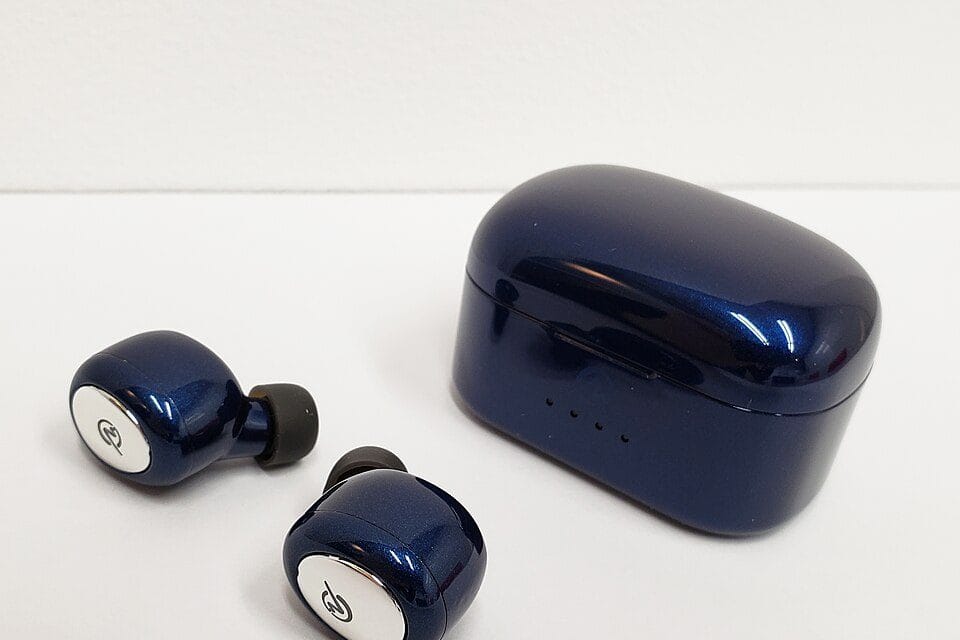
There's a specific kind of regret that comes from buying a gadget in June and watching it go on sale in July. It happens every year, and 2026 is shaping up no differently. We're sitting in that awkward stretch right before Amazon's summer Prime event and the back-to-school sales, which means half the tech you're tempted by right now is about to get cheaper, and the other half is worth grabbing before stock dries up. Knowing which is which saves real money.
I've been tracking prices on the stuff people actually ask me about — wireless earbuds, a portable speaker for the lake house, a tablet for the kids who are suddenly home all day. Some of it I'd buy today. Some of it I'd tell you to wait three weeks. Here's the honest breakdown, gadget by gadget, with the prices I'm seeing this week.
Wait for these — they always drop in July
If a product is a year or so into its life cycle, summer sales hammer the price. Apple's AirPods Pro are the textbook case. They list at $249, but every Prime Day and back-to-school window knocks them down to the $190 range, sometimes lower. Buying them at full price in June is just leaving money on the table. The same logic applies to last year's iPad and most mainstream laptops — the new models land in the fall, so retailers clear the current ones at a discount through July and August.
Televisions are the other big one. The 2026 panels are in stores now, which means 2025 models are getting marked down hard to move them out. A 65-inch TCL or Hisense that was $700 last year is the genuine value play this summer, not the brand-new flagship at twice the price. Unless you're chasing the absolute best picture for a dedicated home theater, last year's mid-range set will look fantastic and cost what a flagship soundbar does.
What to actually watch
- AirPods Pro and Sony's WF-1000XM5 earbuds — both reliably hit their lowest prices of the year during summer events.
- The Apple Watch — a new one ships in September, so the current model gets discounted now and through the fall.
- Last-gen flagship phones, if you don't need the newest camera. A Pixel from the previous cycle is often half what it launched at.
- Robot vacuums, which are weirdly seasonal and dive in price during these sale windows.
Set a price alert on CamelCamelCamel for anything on Amazon and you'll see the pattern instantly — the "deals" that aren't really deals, and the genuine floor prices that only show up a few times a year.
Buy now — the summer-specific stuff sells out
Then there's the gear you actually want for the next two months, where waiting means missing the season entirely. Portable speakers are the obvious example. A JBL Charge 6 runs about $180 and a Flip 7 around $130, and they don't get dramatically cheaper in July — but they do go out of stock when everyone's heading to the beach and the cookout. If you want one for this Fourth of July, buy it now.
Same story with anything for travel. A solid power bank — Anker's 737 at around $100, or the cheaper 633 magnetic one for wireless charging on the go — is worth having before a summer road trip, not after your phone dies somewhere outside Flagstaff. These accessories rarely see deep discounts because they're cheap enough already and demand stays high all summer.
Outdoor security cameras and video doorbells fall into the buy-now camp too, though for a less obvious reason. If you're traveling and want to keep an eye on the house, the device is the easy part — it's the subscription that gets you. A Ring or Wyze camera is cheap up front, but recorded footage usually means a monthly plan, and that's the cost people forget to factor in. Wyze tends to be the better deal there if you don't want to feed Amazon a subscription forever.
The one category that's genuinely confusing right now
Smart home stuff has gotten easier in one way and messier in another. The Matter standard was supposed to make everything work together regardless of brand, and it mostly does now — a Matter-certified smart plug will pair with Apple Home, Google Home, or Alexa without much fuss. That part is real progress.
The catch is that "works with Matter" and "works with every feature in the app" are not the same sentence. A fancy light bulb might turn on and off through any system but only do its color-scene tricks in the manufacturer's own app. So if you're building out a smart home this summer, the practical move is to pick one ecosystem — whichever phone you carry usually decides it — and buy for that, treating Matter as a nice bonus rather than a guarantee.
Refurbished is the smart-money move
The category most people skip and shouldn't is refurbished. Not sketchy used gear off a marketplace, but manufacturer-refurbished or certified-renewed stock, which is returned or lightly-used product that's been tested, cleaned up, and resold with a warranty. Apple's own refurbished store is the gold standard here: the products come in fresh packaging with a new battery and a full one-year warranty, usually 15 percent below new. For an iPad or a Mac, that's a few hundred dollars for what's functionally a new device.
Amazon Renewed and Best Buy's open-box deals work the same way, though the grading varies and you want to read which tier you're getting. The honest caveat: refurbished phones can be a mixed bag because battery health isn't always disclosed, so for a phone I'd lean toward a seller that states the battery percentage. For tablets, laptops, and headphones, where the battery matters less day to day, refurbished is often the single best value in the whole store — and summer clearance stacks discounts on top.
There's an environmental angle too, if that moves you. The most sustainable gadget is the one that already exists, and buying renewed keeps a perfectly good device out of a landfill for another few years. That's not the reason most people do it — the reason is the money — but it's a nice bonus that doesn't cost you anything.
The accessory nobody budgets for
Here's the trap that gets everyone, and I've fallen into it myself. You buy a new phone or laptop, and then discover the charger isn't included, the cable is the wrong type, and the case you want is another $40. Apple and Samsung both stopped boxing chargers with phones years ago, and the "savings" they passed along evaporate the moment you need to actually power the thing.
Budget for it up front. A decent USB-C charger and a braided cable from Anker or UGREEN runs $25 to $40 together, and a good case is another $20 to $50 depending on whether you go OtterBox-tough or slim. That's easily $80 to $100 on top of the headline price, and pretending otherwise just turns into an annoyed second trip to the store.
The smartest thing you can do this month isn't buying anything at all — it's making a list of what you actually want, checking which items historically drop during the summer sales, and only pulling the trigger early on the stuff that sells out. The speaker for the long weekend, sure, grab it. The $249 earbuds at full price? Give it three weeks and check again.