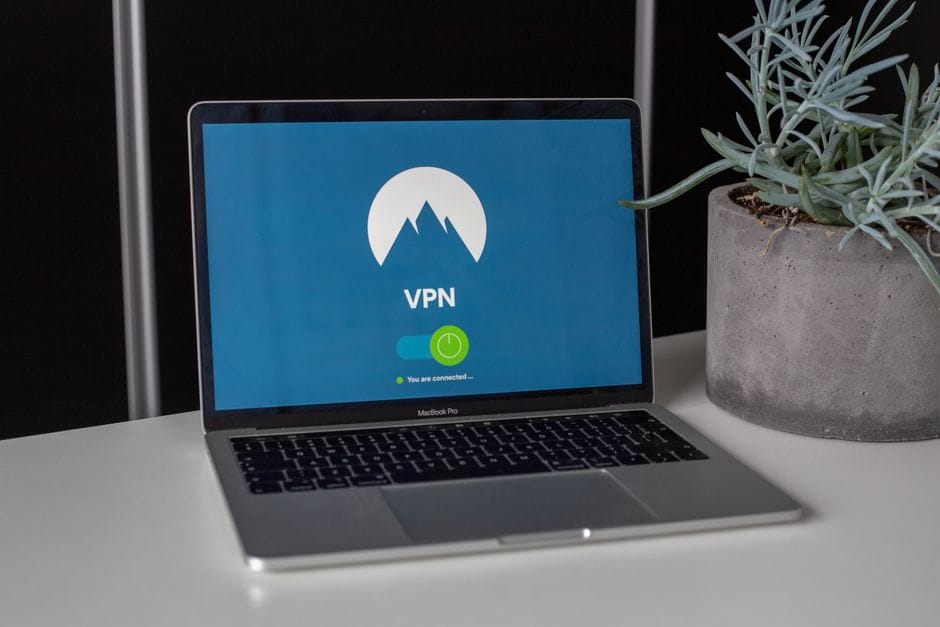
VPNs are advertised everywhere, often with breathless claims that you're in constant danger without one. The reality is calmer and more useful: a VPN is a specific tool that solves specific problems. For some people it's genuinely worthwhile, and for others it's a solution looking for a problem.
What a VPN actually does
A VPN routes your internet traffic through an encrypted tunnel to a server elsewhere, then out to the web. This does two main things: it hides your activity from whoever runs the network you're on, and it makes websites think you're located wherever that server is.
When a VPN is genuinely useful
- Public Wi-Fi: On untrusted networks at airports or cafes, it adds a layer of privacy.
- Hiding activity from your provider: It stops your internet company from seeing which sites you visit.
- Accessing content from another region: It can make services behave as if you're in a different country.
What a VPN does not do
Here's where the marketing oversells. A VPN does not make you anonymous or hack-proof. The websites you log into still know who you are. It won't protect you from scams, phishing, or malware. And much of the web is already encrypted, so the "anyone can see everything" fear is overblown.
The catch with "free" VPNs
Running a VPN costs money, so if a service is free, you have to wonder how it pays the bills. Too often the answer is by collecting and selling the very data you hoped to protect. A trustworthy VPN almost always charges a fee.
The takeaway
If you frequently use public Wi-Fi, want to keep your browsing from your provider, or need content from another region, a reputable paid VPN is a reasonable tool. If you mostly browse at home on your own network, you probably don't need one, and you should be skeptical of anything claiming a VPN makes you invincible.