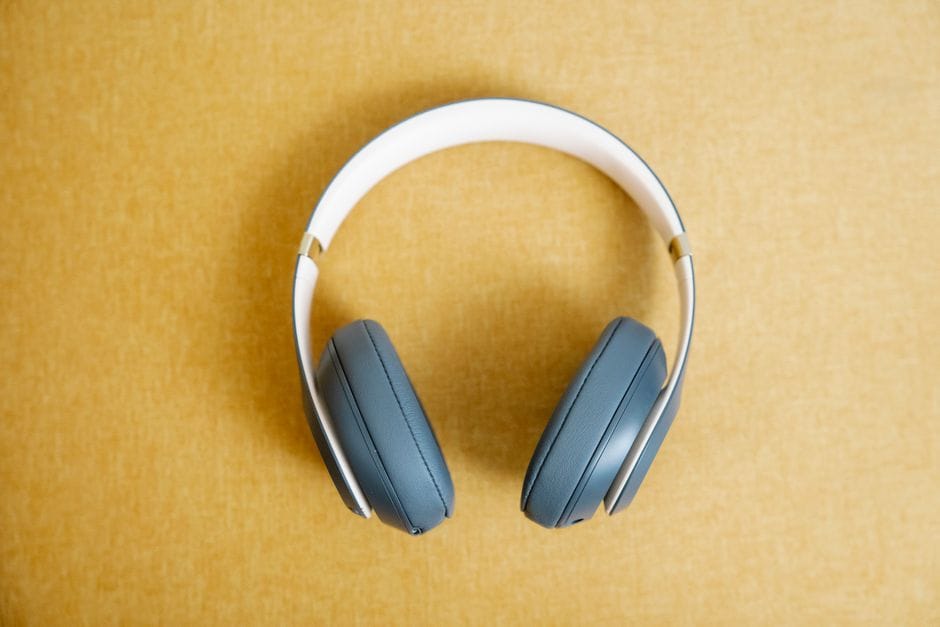
Slip on a pair of noise-canceling headphones in a loud cafe or on a plane and the drone of the world just fades away. It feels like magic, but it's actually a clever bit of physics. Understanding how it works also explains why it's great at some sounds and useless against others.
Two very different kinds of "quiet"
First, a key distinction. Some headphones block noise simply by sealing your ears, like earplugs. That's called passive isolation. Active noise cancellation is the high-tech version that uses electronics to erase sound, and it's what we're talking about here.
Fighting sound with sound
Here's the trick. Tiny microphones on the headphones listen to the noise around you. The headphones then generate a new sound wave that is the exact opposite of that noise. When the two waves meet, they cancel each other out, leaving near-silence. It's literally using sound to destroy sound.
- Microphones capture the incoming noise.
- The headphones create an inverted "anti-noise" wave.
- The two waves collide and flatten out, so you hear far less.
Why it loves engines and hates voices
Noise cancellation works best on steady, constant, low sounds, an airplane engine, a humming air conditioner, the rumble of a train. Those are predictable, so the headphones can match them precisely. Sudden, unpredictable sounds like a person talking or a baby crying are much harder to cancel, which is why voices still cut through.
The trade-offs
Active cancellation needs power, so these headphones have batteries to charge. Some people also notice a slight pressure or "ear suck" sensation, though most stop noticing it quickly.
The takeaway
Noise cancellation isn't magic, it's physics, sound waves erasing each other. Knowing that, you'll have realistic expectations: blissful quiet on a plane, but don't count on it to silence the chatty person next to you.