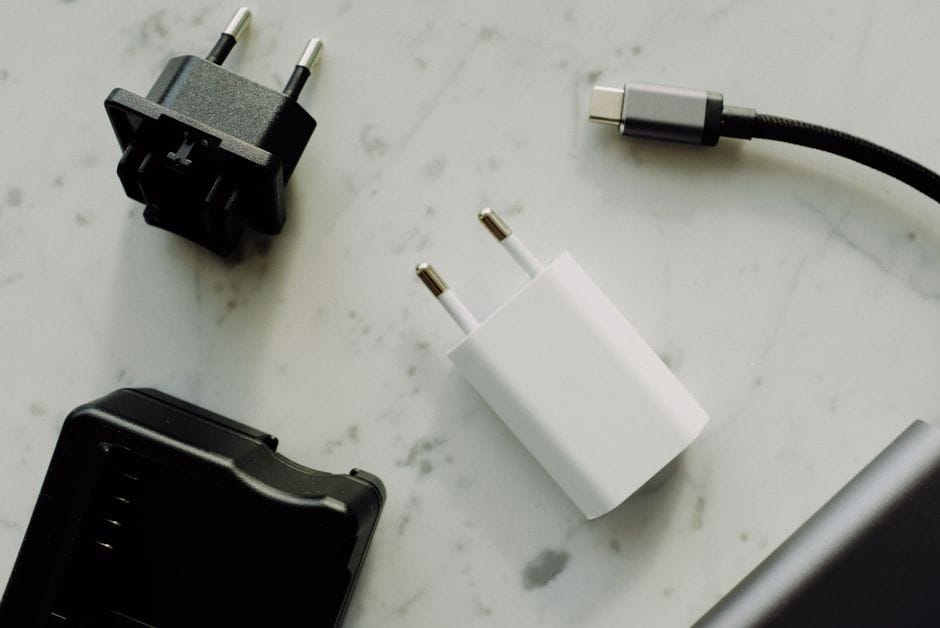
For years, every gadget came with its own oddly shaped plug, and your junk drawer turned into a graveyard of cables you were scared to throw out. That era is ending. USB-C is now the standard on phones, laptops, tablets, headphones, and even some game controllers. Here's what that shift means for you in practice.
One cable for most of your stuff
The biggest win is simple: you can charge a lot of devices with the same cable and the same charger. Forget your phone cord on a trip? Borrow the one your friend uses for their tablet. That kind of flexibility used to be a fantasy.
It also means you can downsize. Instead of three wall plugs, one good charger and a couple of cables can cover almost everything you own.
Not all USB-C cables are equal
Here's the catch nobody tells you at the store: the shape being identical doesn't mean the cables are. Two cords that look the same can behave very differently.
- Charging speed: A cheap cable may charge slowly or cap out at low wattage.
- Data transfer: Some cables only carry power and move files at a crawl.
- Video output: Only certain cables can run an external monitor.
How to avoid the cheap-cable trap
When you buy, look for the wattage rating and whether it supports data and video, not just power. Keep one or two high-quality cables for charging laptops and moving big files, and use the basic ones for topping off a phone overnight.
The bottom line
USB-C won't fix every frustration overnight, and you'll still trip over the occasional old plug. But the days of hunting for one specific proprietary cord are mostly behind us, and that's a genuinely good thing for your sanity and your drawer.